Wired vs. Wi-Fi: Why Gigabit Ethernet Wins for Serious Gaming
In the fast-paced world of online gaming, every millisecond counts. Whether you're a competitive esports player, a raid leader in an MMO, or simply enjoy a smooth, uninterrupted experience in your favorite titles, the debate between wired and wireless connectivity is a critical one. While Wi-Fi offers unparalleled convenience, serious gamers consistently gravitate towards the steadfast reliability and raw speed of a wired connection. Specifically, Gigabit Ethernet stands out as the undisputed champion, providing a level of performance that Wi-Fi, despite its advancements, simply cannot match for demanding gaming scenarios.
Understanding Gigabit Ethernet: The Unsung Hero of Home Networks
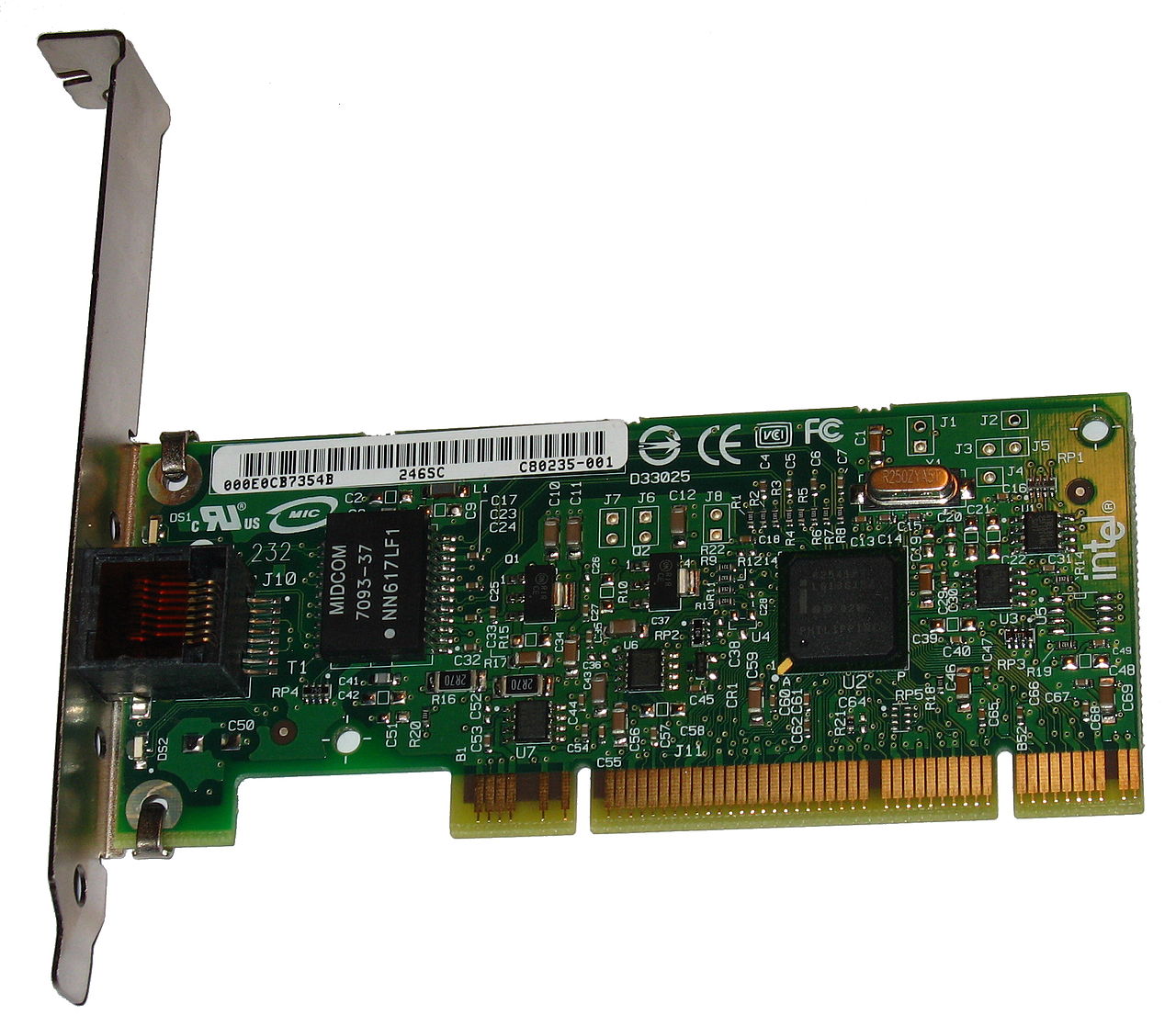
At its core, Gigabit Ethernet is a wired networking standard that facilitates data transfer speeds of up to 1 gigabit per second (1 Gbps), which translates to 1000 megabits per second (Mbps). To put this into perspective, it's roughly ten times faster than the older Fast Ethernet standard (100 Mbps) and offers significantly more stability than most Wi-Fi connections found in typical homes and offices. If you've ever plugged an Ethernet cable into your PC, gaming console, or even a smart TV, you're very likely already utilizing Gigabit Ethernet.
This high-speed wired standard forms the backbone of modern home networks, powering everything from advanced routers to
gigabit ethernet switches, ensuring that demanding tasks like streaming 4K video, copying large files, and, most importantly, competitive gaming, run without a hitch. A key advantage lies in its architecture: when devices like your gaming PC, console, or even a media server plug into a Gigabit Ethernet router or switch, each port receives its own dedicated 1 Gbps link. This means that heavy network usage on one device won't bottleneck or slow down others, provided your overall internet connection and network infrastructure can keep pace.
The Wi-Fi Woes: Why Wireless Falls Short for Gaming
Modern Wi-Fi standards, such as Wi-Fi 6 (802.11ax) and even the newer Wi-Fi 7, often boast impressive theoretical speeds, advertising bandwidths that can sound competitive with, or even surpass, Gigabit Ethernet. However, these advertised speeds are typically best-case scenarios achieved under ideal laboratory conditions. In the real world, Wi-Fi performance is notoriously susceptible to a multitude of factors that can drastically reduce its effective speed and stability.
Consider the inherent challenges of wireless communication:
- Physical Obstructions: Walls, floors, furniture, and even human bodies can degrade Wi-Fi signals, causing slowdowns and intermittent connections.
- Interference: Other wireless devices, such as cordless phones, microwaves, Bluetooth devices, and even your neighbors' Wi-Fi networks, can cause electromagnetic interference that disrupts your signal.
- Shared Bandwidth: Unlike a dedicated wired connection, Wi-Fi bandwidth is shared among all connected devices. If multiple family members are streaming, browsing, or video conferencing, your gaming connection will inevitably suffer from reduced bandwidth and increased latency.
- Crowded Airwaves: In densely populated areas, the sheer number of Wi-Fi networks operating in the same frequency bands can lead to congestion and performance degradation.
- Signal Degradation with Distance: The further your gaming device is from your router or access point, the weaker and less reliable your Wi-Fi connection becomes.
These "Wi-Fi woes" translate directly into a frustrating gaming experience: increased lag (high ping), sudden disconnections, jittery gameplay, and frustrating packet loss. For serious gaming, where precision and responsiveness are paramount, such inconsistencies are simply unacceptable.
The Gaming Edge: How Gigabit Ethernet Delivers Unmatched Performance
For gamers who demand the best, Gigabit Ethernet offers a suite of advantages that collectively create a superior gaming environment. The difference often isn't just noticeable; it's game-changing.
*
Low Latency and Ping: This is arguably the most critical factor for online gaming. Latency, often measured as "ping," is the time it takes for data to travel from your gaming device to the game server and back. A lower ping means your commands register faster, giving you a crucial edge in competitive titles. Gigabit Ethernet drastically minimizes latency by providing a direct, unimpeded data path, eliminating the processing overhead and unpredictable nature of wireless signals. While Wi-Fi connections can fluctuate wildly, a wired connection typically delivers a stable, consistently low ping.
*
Consistent Bandwidth: Say goodbye to sudden drops in speed during critical moments. A wired Gigabit Ethernet connection guarantees a dedicated 1 Gbps link to your device, ensuring that you always have ample and stable bandwidth. This prevents lag spikes and ensures smooth data flow, even during peak network activity in your home.
*
Reduced Packet Loss: Packet loss occurs when data packets fail to reach their destination. In gaming, this manifests as stuttering, rubber-banding, or even temporary freezes. The stable, dedicated nature of a Gigabit Ethernet connection significantly reduces the likelihood of packet loss compared to Wi-Fi, leading to a much smoother and more responsive gameplay experience.
*
Dedicated Connection: As mentioned, each port on a
gigabit ethernet switch or router provides a full 1 Gbps link. This means your gaming rig isn't sharing bandwidth with other devices in the same unpredictable way Wi-Fi does. Your connection is yours, optimized for performance.
For any serious gamer, particularly those playing competitive multiplayer games, investing in a robust wired network with Gigabit Ethernet is not just an upgrade; it's a strategic necessity. It's the difference between reacting instantly to an opponent's move and experiencing a fraction-of-a-second delay that costs you the game.
Do You Really Need Gigabit Ethernet for Gaming? Practical Considerations
While it's clear that Gigabit Ethernet offers superior performance for gaming, a common question arises: "Do I really need that much speed?" The answer depends on your usage, but for serious gaming, the benefits extend beyond just raw speed numbers.
It's true that for basic activities like browsing the internet or streaming standard HD video, even the FCC's minimum broadband requirement of 100 Mbps is often sufficient. Even 4K streaming typically only requires 25 Mbps per device. So, if your primary online activities are casual, you might not require a gigabit *internet plan* from your ISP.
However, the question of needing Gigabit Ethernet for gaming isn't solely about your internet speed; it's also about your *local network speed and stability*. Even if your ISP provides "only" 100 Mbps internet, ensuring your local network between your router/switch and your gaming device is Gigabit Ethernet prevents any internal bottlenecks. Your gaming performance will always be limited by the slowest link in the chain. A fast internet connection won't matter if your local Wi-Fi connection is inconsistent or slow.
Practical Tips for Your Wired Gaming Setup:
- Test Your Current Setup: Before making any changes, run an online speed test from your gaming device (both wired and wireless, if possible) to understand your current baseline. Pay attention to ping and jitter, not just download/upload speeds.
- Embrace the Gigabit Ethernet Switch: If your router doesn't have enough wired ports, a dedicated gigabit ethernet switch gaming will expand your wired connectivity without sacrificing speed. These unmanaged switches are plug-and-play and relatively inexpensive.
- Use the Right Cables: Ensure you're using at least Cat5e Ethernet cables. For optimal performance and future-proofing, Cat6 or Cat6a cables are even better, especially for longer runs or if you anticipate upgrading to multi-gigabit speeds in the future.
- Direct Connection is King: Whenever possible, connect your gaming PC or console directly to your router or a gigabit switch. This bypasses the inefficiencies and interferences inherent in wireless connections.
- Router Quality Matters: Even with a wired setup, your router is the brain of your network. A high-quality router with powerful processing capabilities can handle network traffic more efficiently, benefiting all connected devices, including your wired gaming rig.
By implementing these strategies, you're not just getting faster speeds; you're building a more robust, reliable, and responsive network environment specifically tailored for the demands of serious gaming.
Conclusion
While Wi-Fi has made incredible strides in convenience and speed, for the discerning gamer, it simply cannot compete with the dedicated, stable, and low-latency performance offered by Gigabit Ethernet. The fundamental differences in how wired and wireless networks transmit data mean that an Ethernet cable will consistently deliver a more reliable and responsive experience. Investing in a wired connection, potentially utilizing a
gigabit ethernet switch to expand your ports, is one of the most impactful upgrades you can make to your gaming setup. Ditch the potential for lag spikes and disconnections, and embrace the consistent, competitive edge that only Gigabit Ethernet can provide for truly serious gaming.